
Topic collection
Social Media Operations guides
Social media operations connects planning, publishing and response work across people and permissions. These guides help teams organize approval routes, calendar decisions, shared inbox responsibilities and capacity without relying on informal handoffs.
Start with the management workflow and approval process. Use calendar, service-level and team-capacity guides to define who can act, what evidence is required, and how exceptions move to a responsible owner.
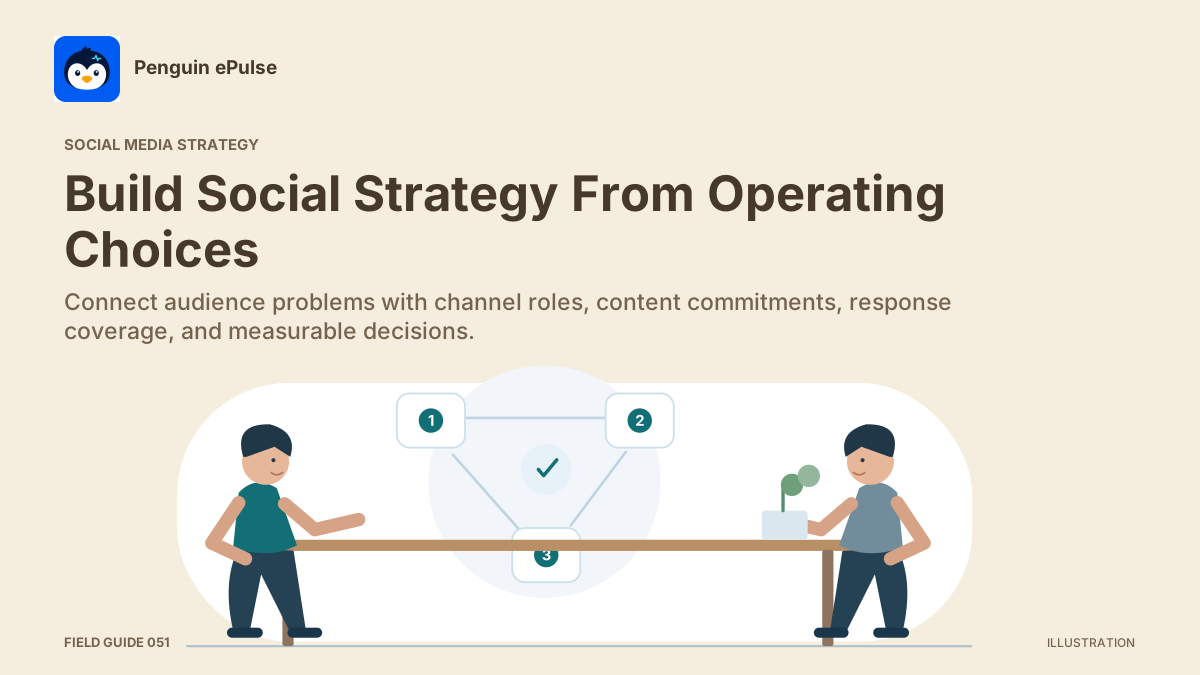
Social Media Marketing Strategy: Build Clear Operating Choices
Build a social media marketing strategy around audience needs, channel roles, sustainable work, measurement, and clear conditions for revising the plan.

Social Media Calendar: Readiness, Approvals, and Publication
Build a social media calendar that shows content purpose, dependencies, approved versions, timezones, response coverage, and readiness to publish.
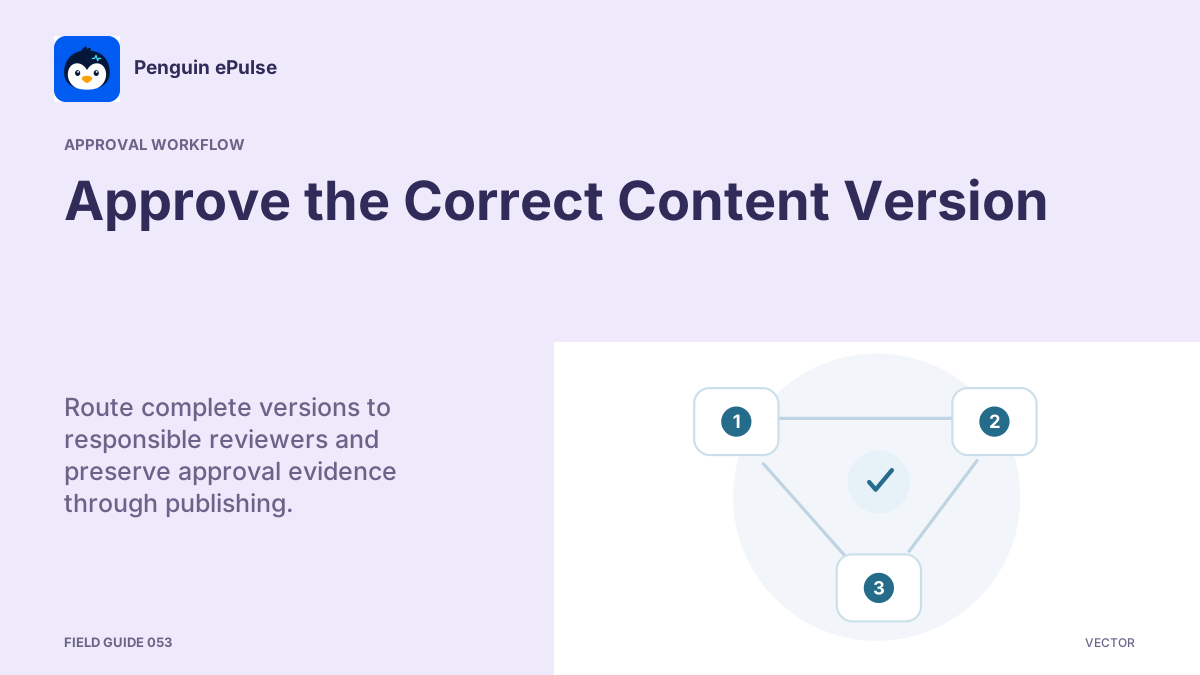
Design a Social Media Approval Workflow Without Creating a Bottleneck
Design a social media approval workflow with clear review roles, risk routes, version control, and a visible release decision.
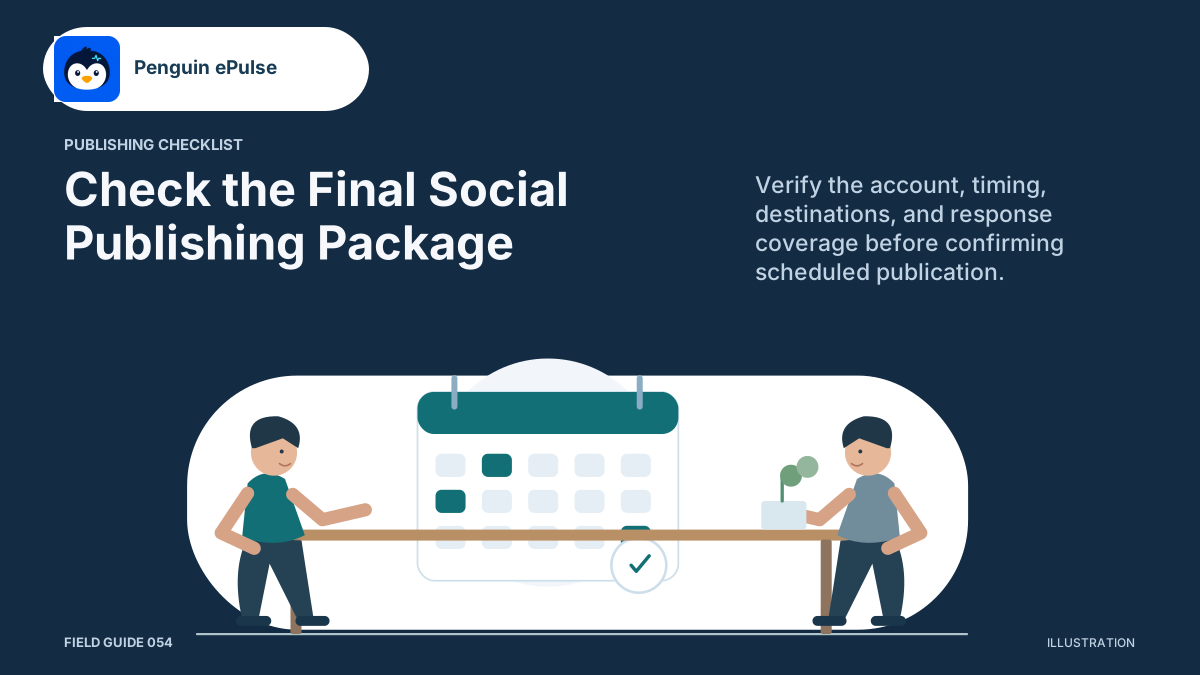
Social Media Scheduler Checklist: Verify the Post Before Release
Use a social media scheduler with account, version, accessibility, timing, and release checks. Separate scheduled status from confirmed publication.
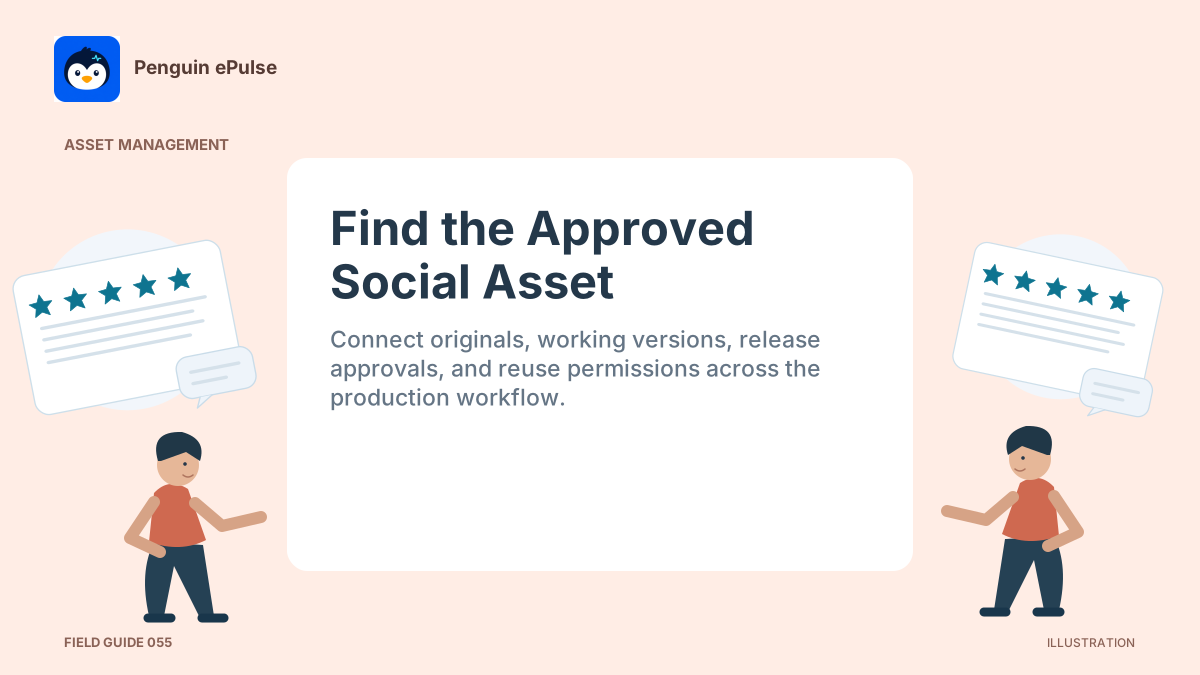
Social Asset Management: Keep the Approved Version Easy to Find
Keep social assets identifiable through originals, adaptations, approved versions, usage conditions, and publication records.
Social Account Connections: Verify Permissions Before Promising a Workflow
Verify social account connections by account identity, native permissions, authorized scopes, supported actions, and recovery ownership.
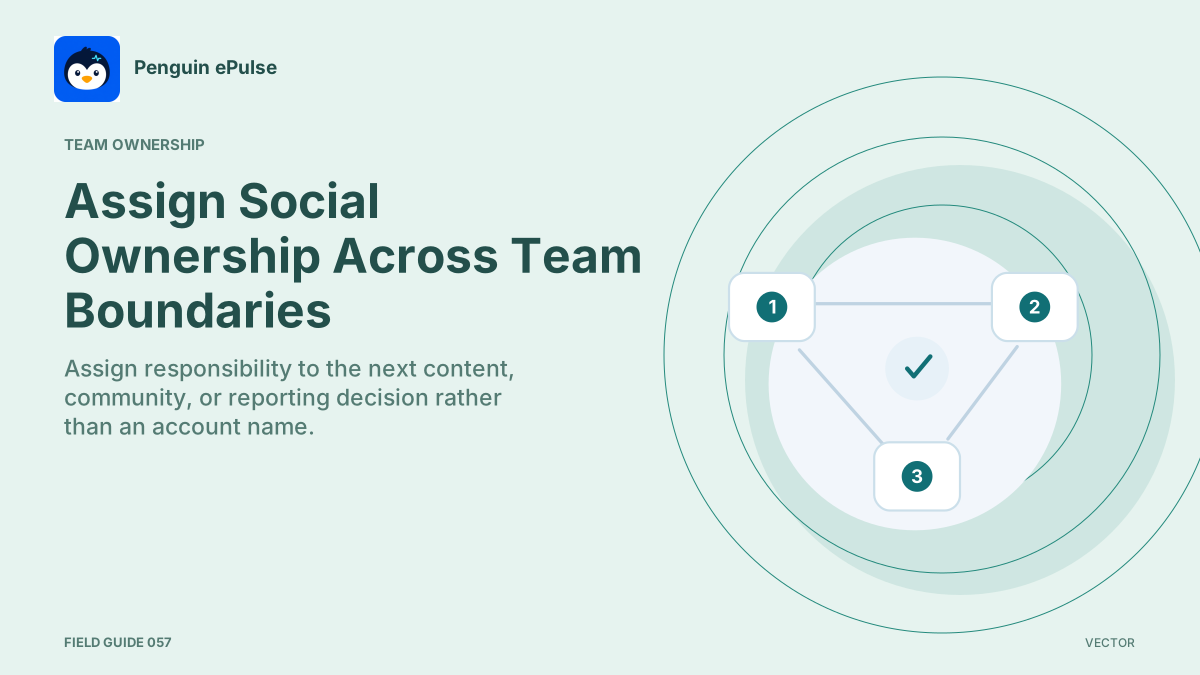
Define Social Media Ownership Across Content, Community and Reporting
Define social media ownership with accountable decisions, handoff conditions, absence coverage, access boundaries, and change authority.
Plan Social Team Capacity From Workload, Not Posting Frequency Alone
Plan social team capacity using actual work stages, constrained skills, response coverage, work in progress, and explicit tradeoffs.
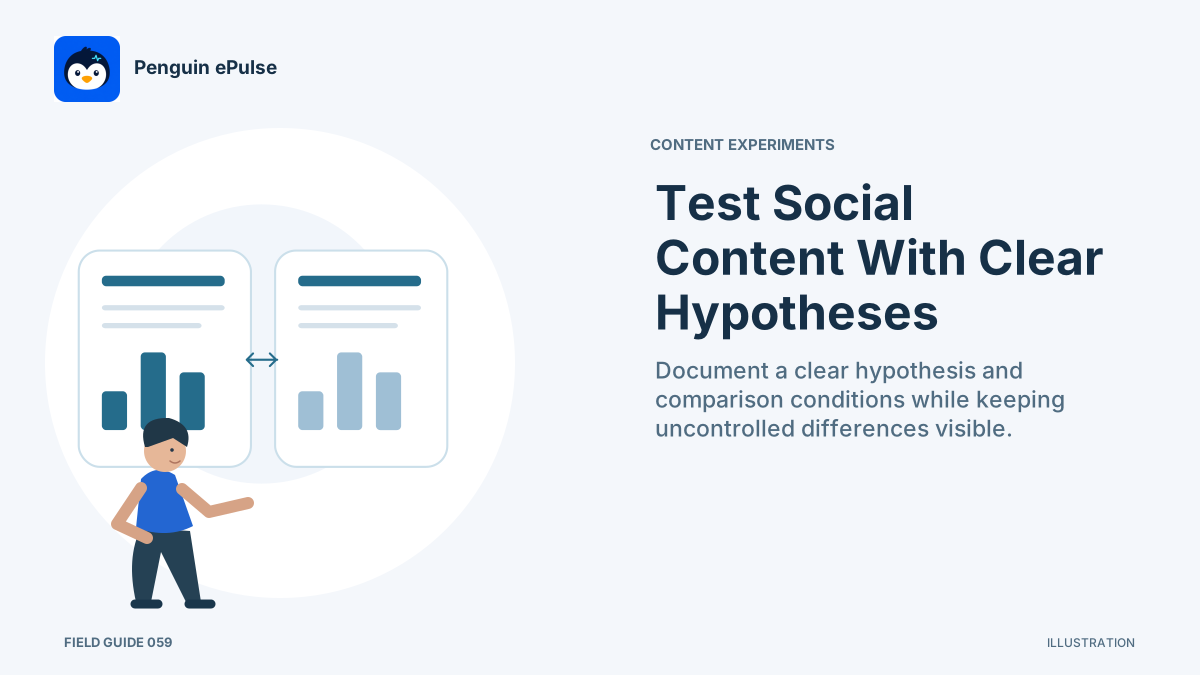
Run a Social Content Experiment With a Clear Hypothesis
Run a social content experiment with a defined hypothesis, comparison unit, observation window, measurement rule, and decision condition.
Repurpose Social Content Without Losing the Original Context
Repurpose social content by preserving its claim, context, permissions, accessibility, and useful answer in each new format.