
Topic collection
SEO, AEO & Generative Search guides
Search and generative-answer visibility rely on useful content that can be discovered, understood and supported by evidence. These guides explain SEO, answer engine optimization and generative engine optimization through practical content and technical decisions.
Start with the SEO, AEO and GEO comparison. Then work through technical crawlability, structured data, citation quality and measurement. Treat indexing, rankings and AI citations as outcomes to verify rather than guarantees made by a checklist.
SEO, AEO and GEO: Build One Credible Content System
Compare SEO, AEO and GEO through a single practical system for useful articles, trustworthy evidence, discoverable pages and measured demo demand.
Answer-First Content: Give the Reader the Definition and the Decision
Write answer-first articles that define the question, show the decision, explain assumptions and help readers apply the answer without promotional filler.
Original Content Evidence: Add a Useful Method, Not a Fabricated Case Study
Add original evidence to marketing articles with documented methods, permissioned screenshots and transparent examples instead of fabricated case studies.
Blog Metadata: Align the Title, Description and Page Promise
Align blog titles, descriptions, canonical URLs and share images with the actual article, then review how each promise matches the reader experience.
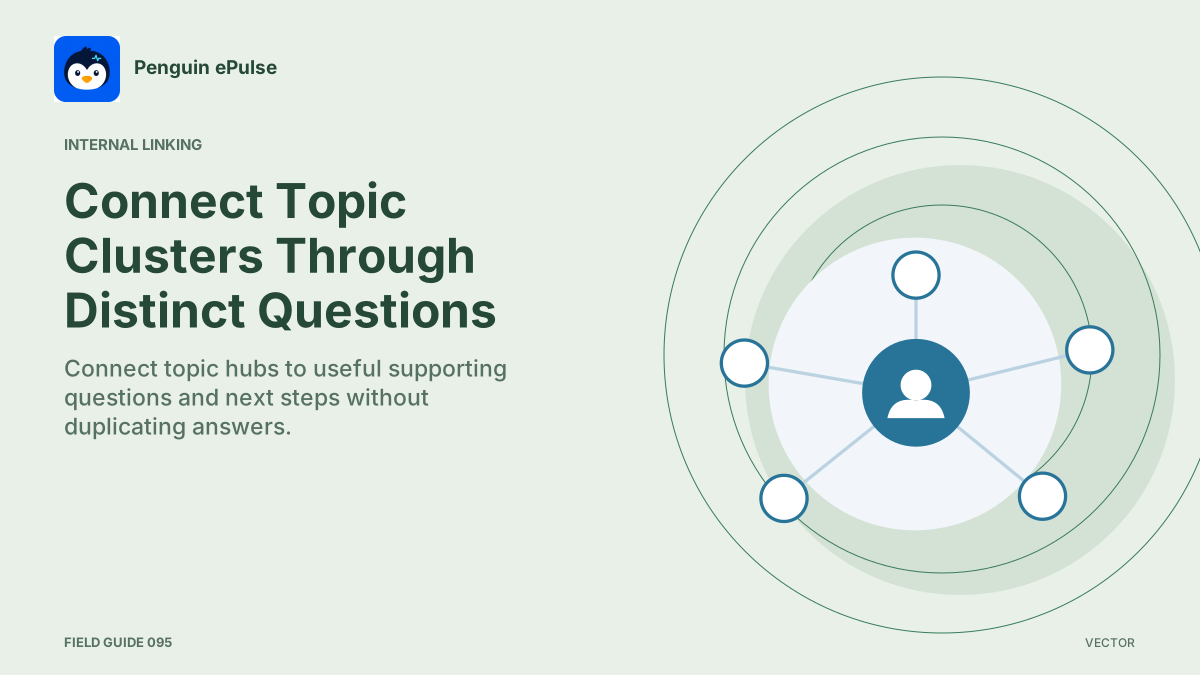
Topic Cluster Internal Linking: Connect Questions Without Creating Duplicate Pages
Design topic cluster links around real reader questions, with distinct article roles, descriptive anchors and a hub that provides useful orientation.
Article Structured Data: Describe the Page You Actually Published
Add Article structured data with truthful headlines, authorship, images and dates, then validate both the markup and the visible page it describes.
Track AI Search Citations Without Treating One Answer as a Ranking
Track AI search citations with a defined prompt set, reproducible observations and separate measures for linked citations, mentions and qualified website visits.
Audit Content Quality Before Publishing a Large Resource Library
Audit a resource library for useful intent, evidence, originality, calculations, accessibility and human editorial approval before expanding public indexing.
A Content Refresh Strategy Based on Evidence, Not a New Date
Refresh articles when evidence, reader needs or technical behavior changes, with a revision log that separates meaningful updates from cosmetic date changes.
Measure Organic Demo Requests Across the Article-to-Form Journey
Measure organic demo demand with a defined article-to-form journey, verified submission states, privacy-conscious events and reconciliation against actual inquiries.