
Topic collection
Marketing & Brand Intelligence guides
Brand intelligence combines research evidence with a specific business question. These guides help teams interpret audience signals, compare competitors, develop research briefs and connect findings to decisions while keeping inference separate from direct observation.
Begin with the research question and evidence plan. Use competitive and audience guides to define a fair comparison set, then build a brief that states the finding, its limitations and the action it can responsibly support.

Competitor Social Media Analytics: Make Comparisons You Can Defend
Use competitor social media analytics with a clear question, comparable periods, observable metrics, denominator checks, and transparent source limits.
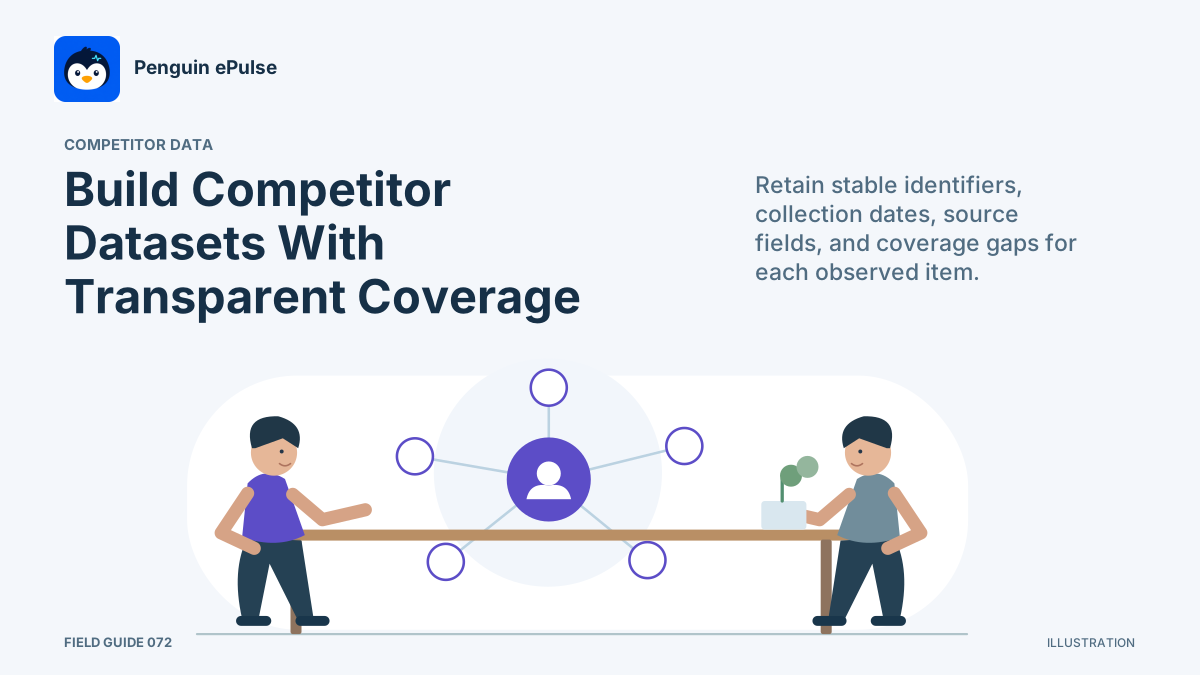
Build a Competitor Social Dataset With Transparent Coverage
Build a competitor social dataset with stable identifiers, observation dates, coverage checks and explicit missing values before calculating benchmarks.
Share of Engagement: A Useful Comparison With Important Limits
Calculate share of engagement within a declared peer set, matching interaction definitions and explaining the effects of posting volume and missing data.
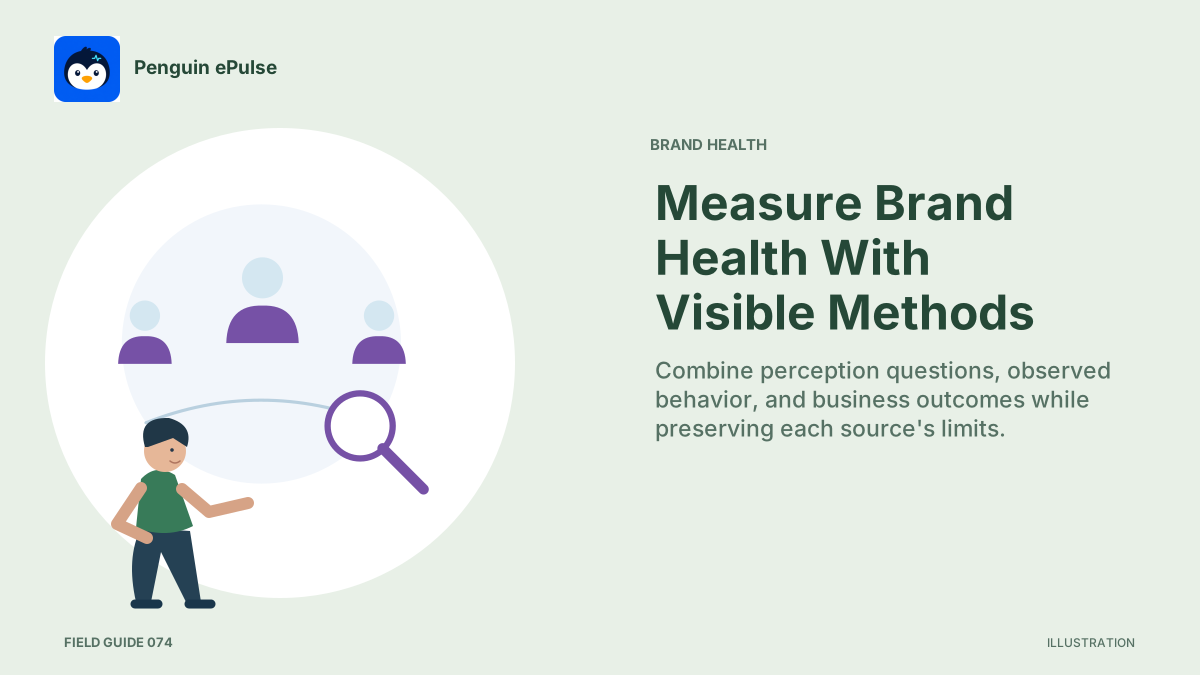
Brand Health Measurement: Combine Signals Without Hiding the Method
Measure brand health through separate awareness, trust, conversation and behavior signals, with transparent methods and limits on composite scores.
Track a Competitor Campaign Without Assuming Access to Its Results
Track a competitor campaign through observable assets, messages and timing, while keeping spend, targeting, conversion and commercial results unresolved.
Validate a Social Trend Before Changing Your Content Plan
Validate a social trend by checking its source, recurrence, audience relevance and practical test conditions before revising your content calendar.

Write a Competitive Intelligence Brief With Evidence and Open Questions
Write a competitive intelligence brief that links each finding to evidence, separates inference and recommends a practical action with open questions.
Social Media Analytics Tools: Evaluate the Fit for Your Workflow
Evaluate social media analytics tools with matched tasks, metric definitions, coverage checks, data exports, and a shortlist your team can defend.
Social Listening Tools: Evaluate Coverage, Queries, and Evidence
Evaluate social listening tools with source-coverage checks, validated queries, reviewable evidence, and a workflow matched to your research decisions.
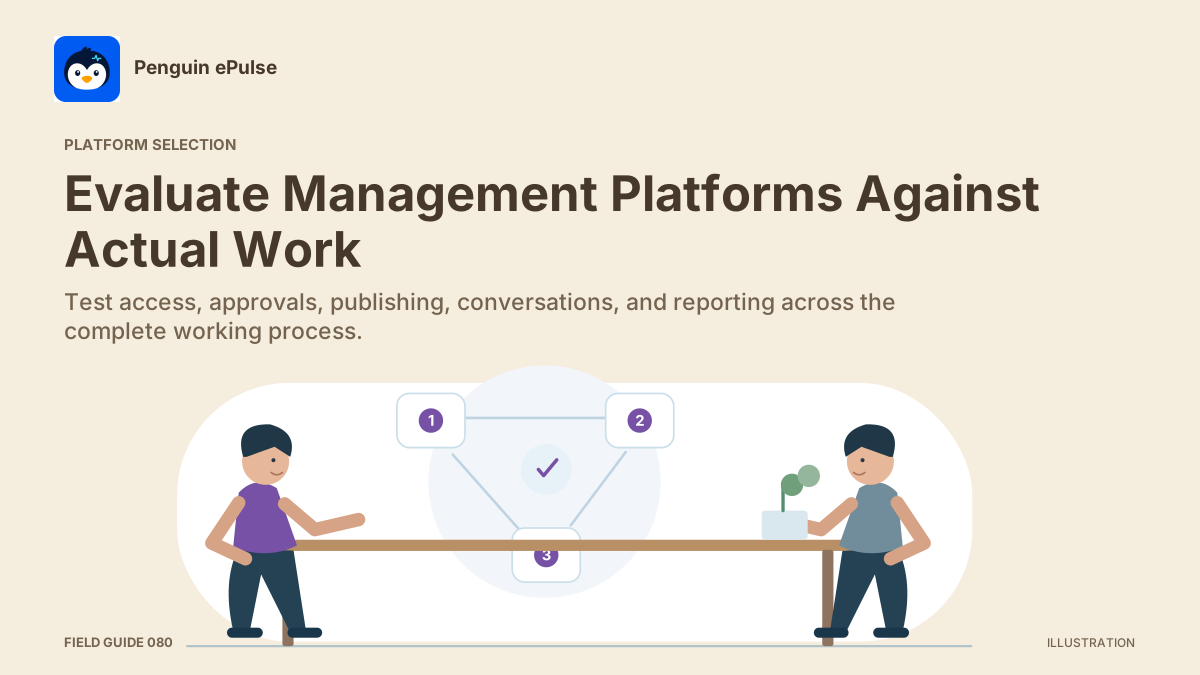
Social Media Management Platforms: Evaluate Your Actual Workflow
Compare social media management platforms and tools with real handoff tasks, permissions, account scope, failure handling, and evidence from a controlled test.